IPFA/PEI 26th International Workshop on Surveillance and Screening of Blood-borne Pathogens

Report of the 26th IPFA/PEI Workshop – Krakow, Poland

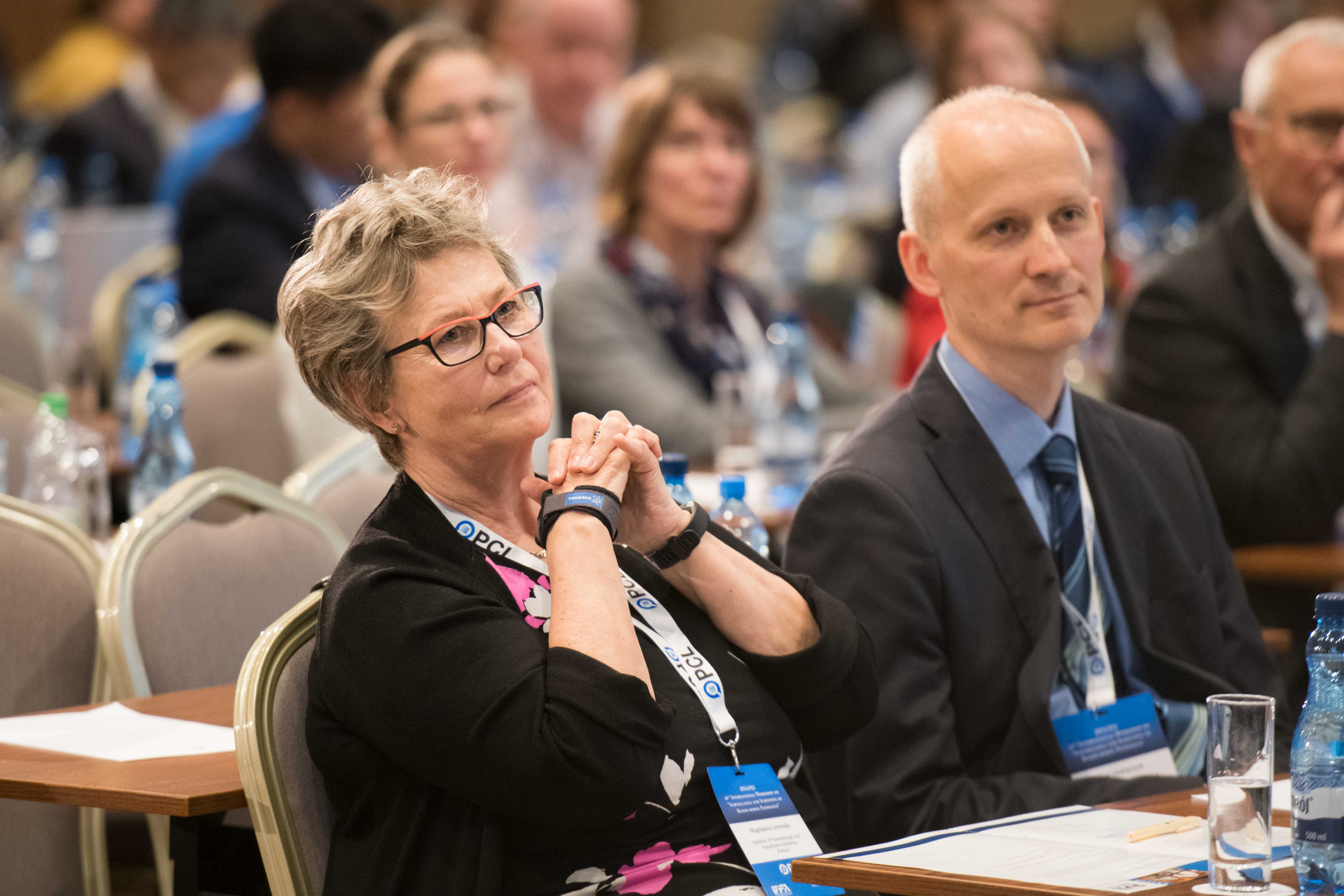
The 2019 IPFA/PEI annual workshop on Surveillance and Screening of Blood-borne Pathogens was held this year in the historic and beautiful city of Krakow, Poland on the 22nd and 23rd May. We were honoured and delighted that the Institute of Hematology and Transfusion Medicine (IHIT) was able to host the meeting and contribute so enthusiastically to the planning and organization of the event.

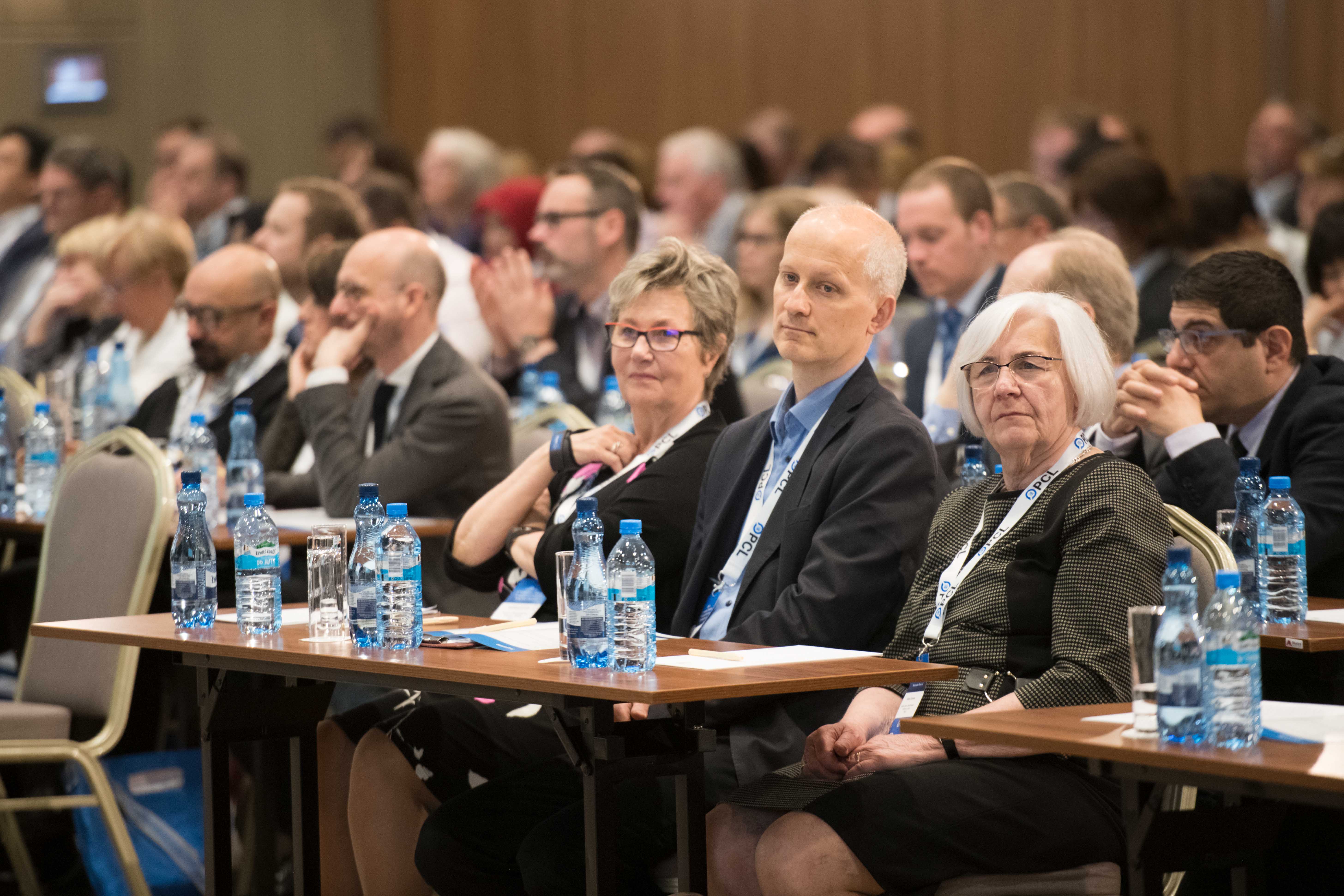
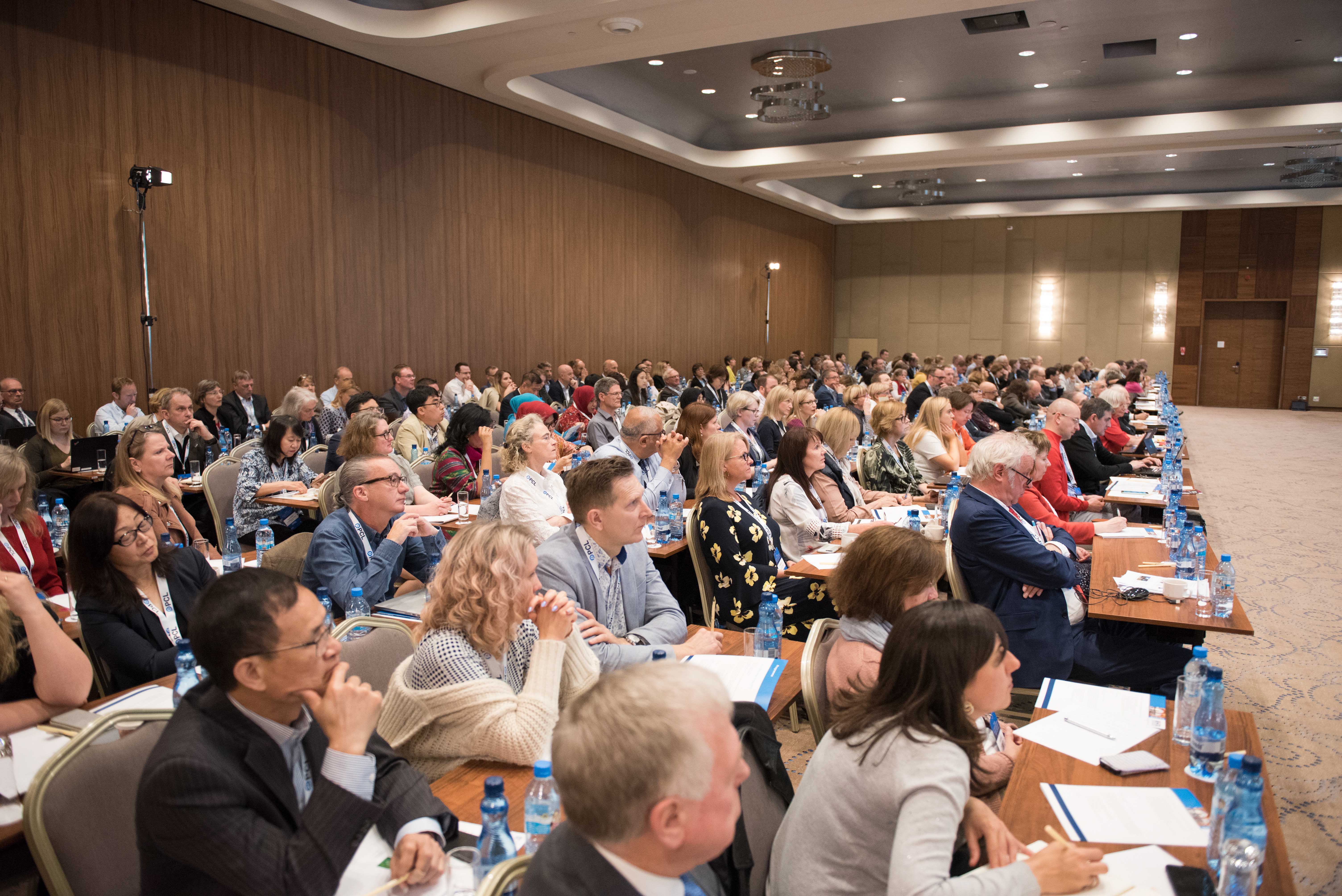
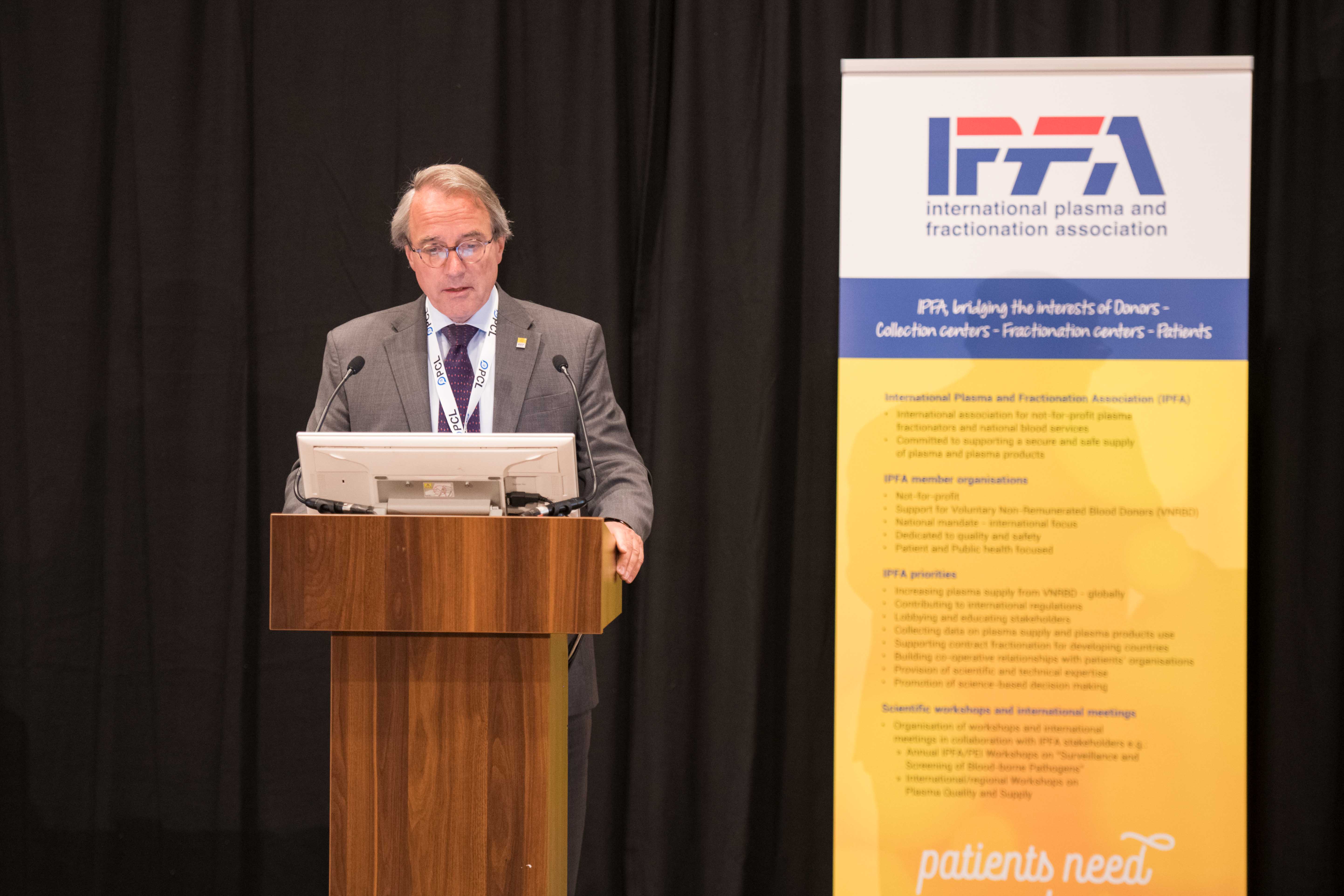
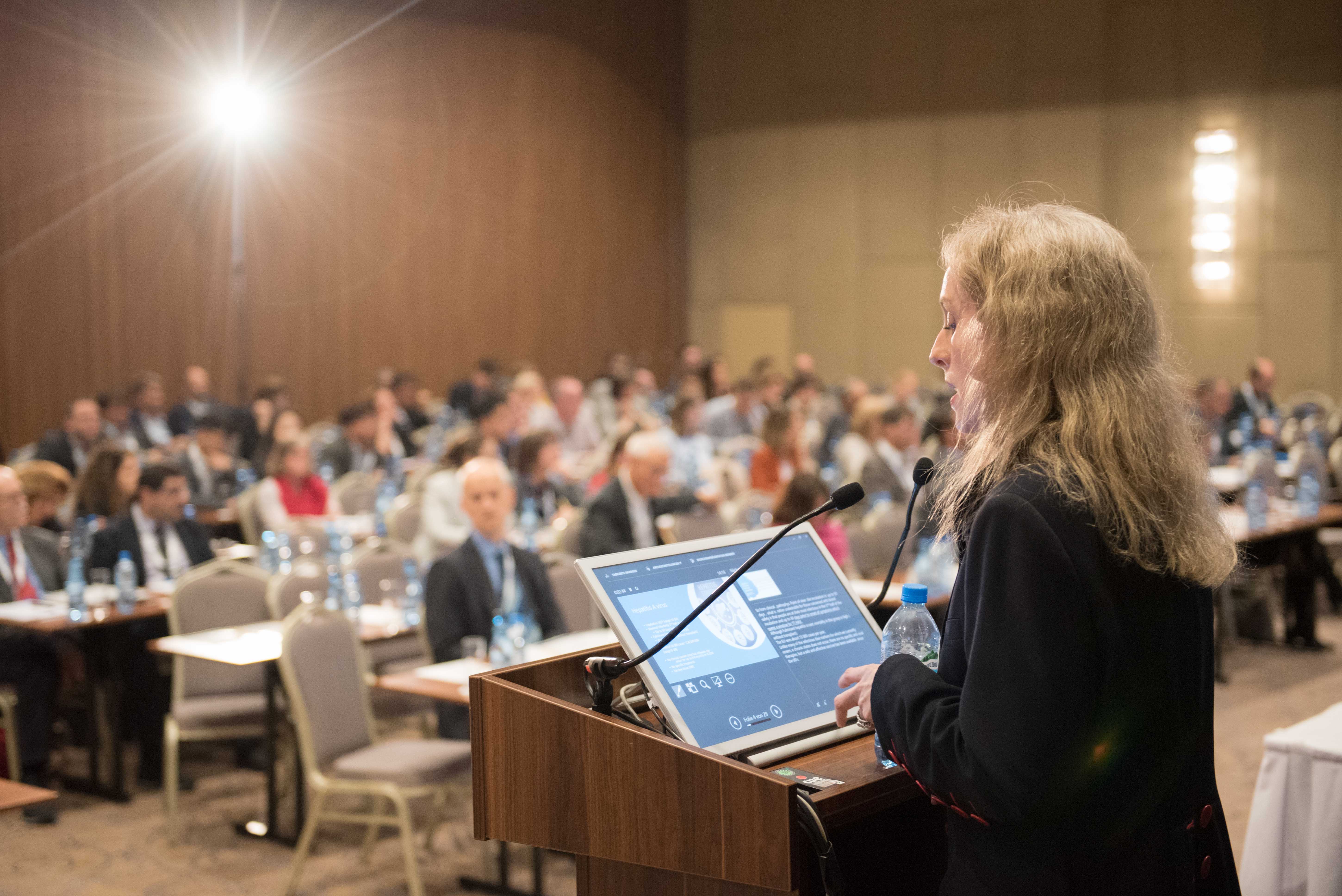
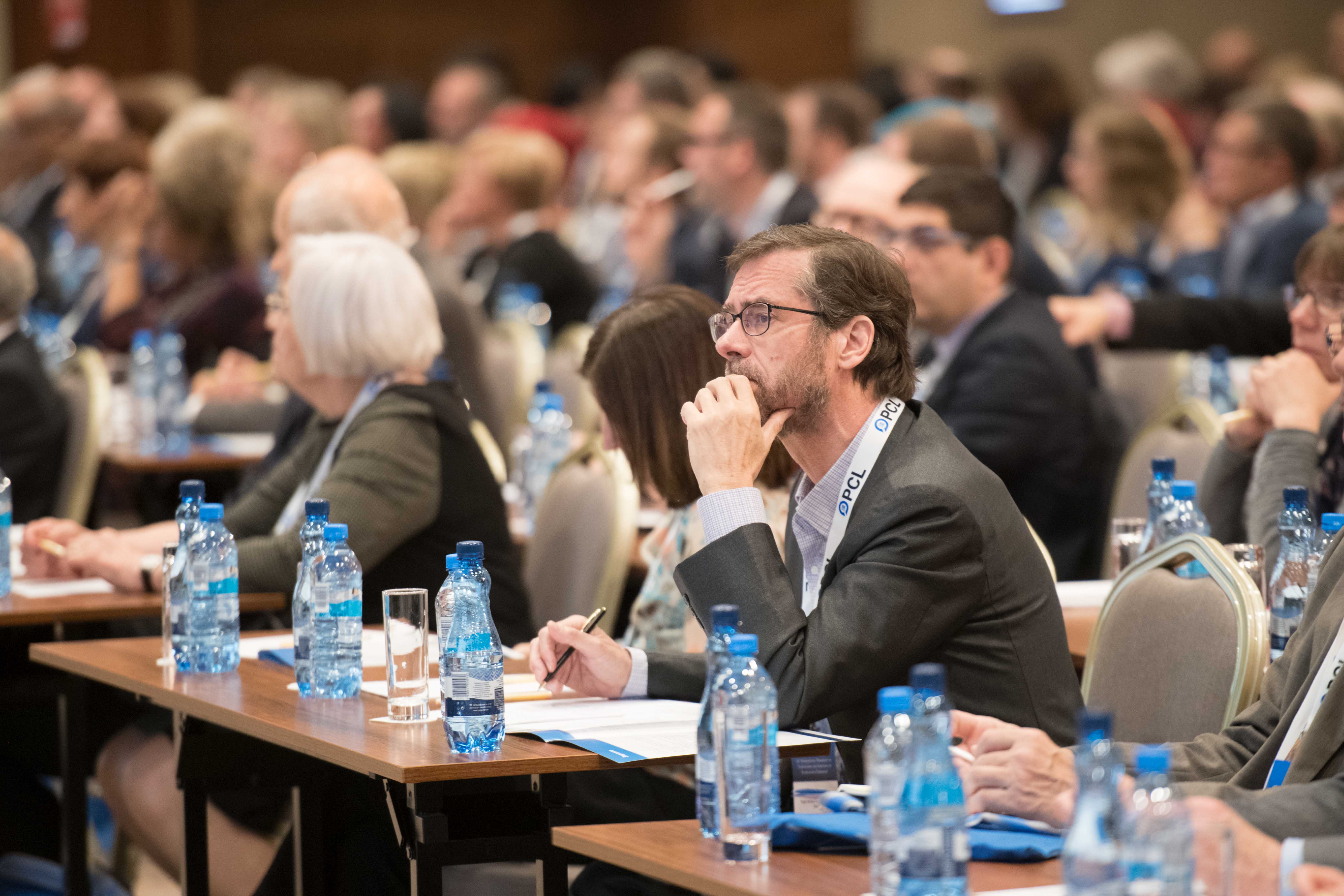
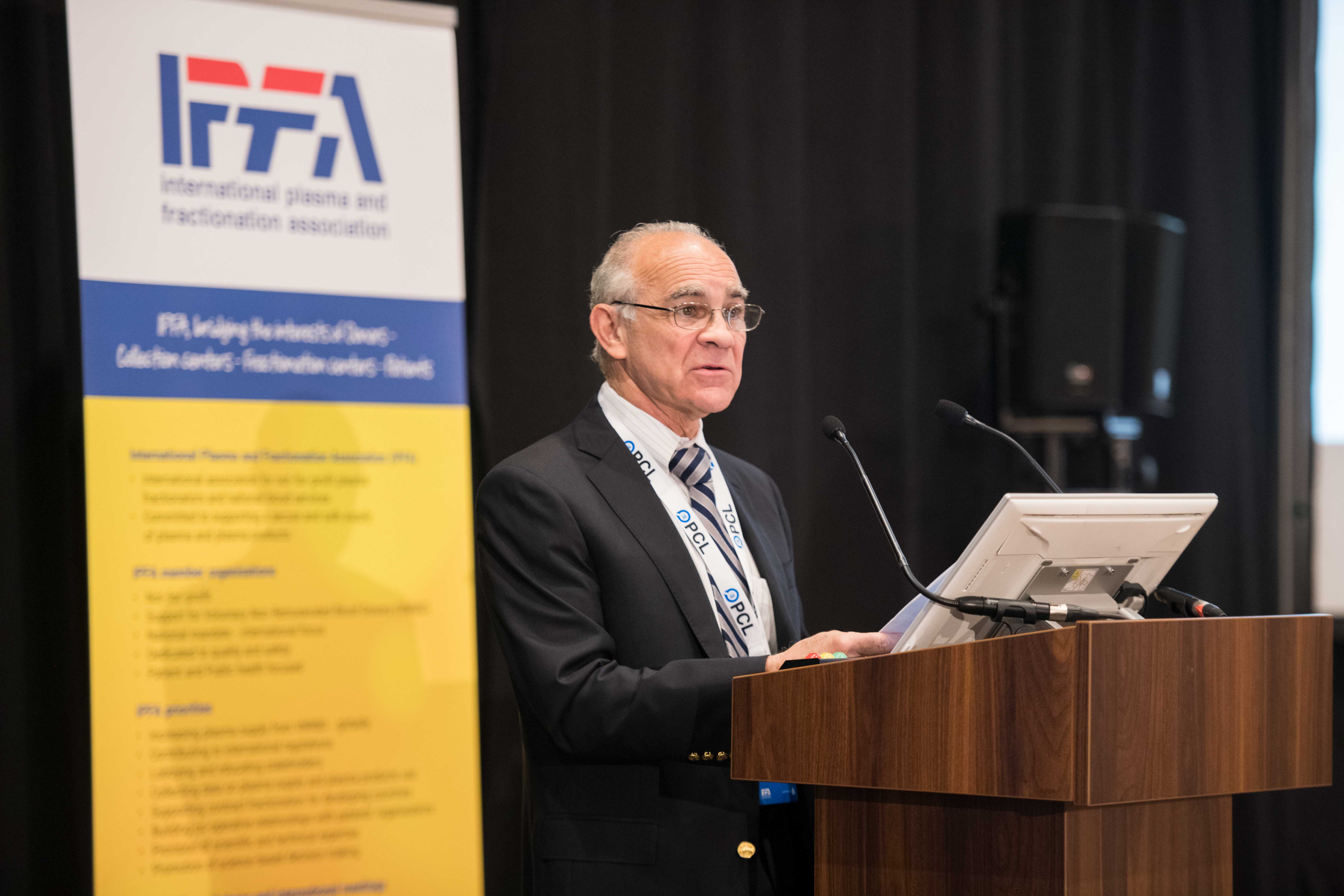
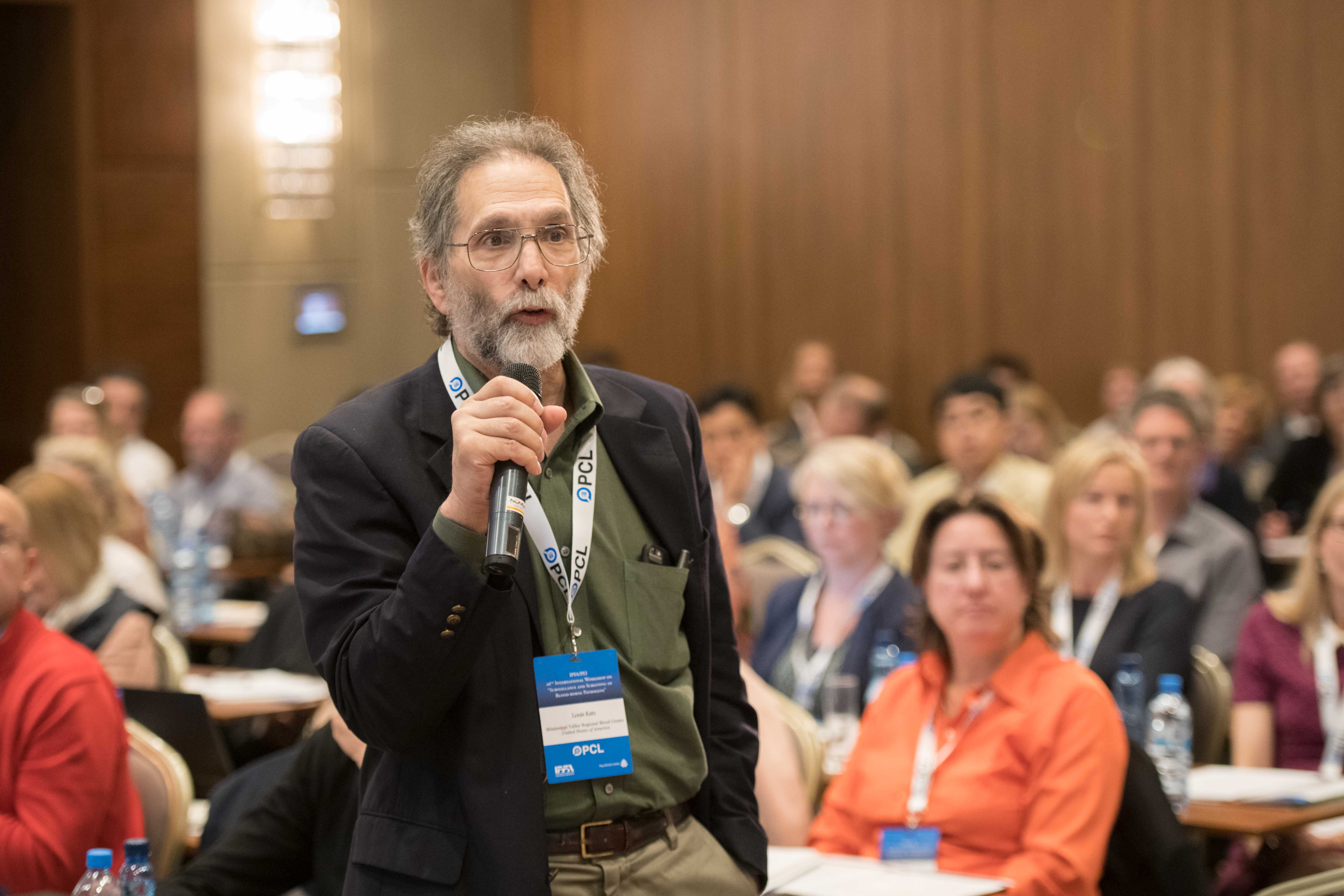
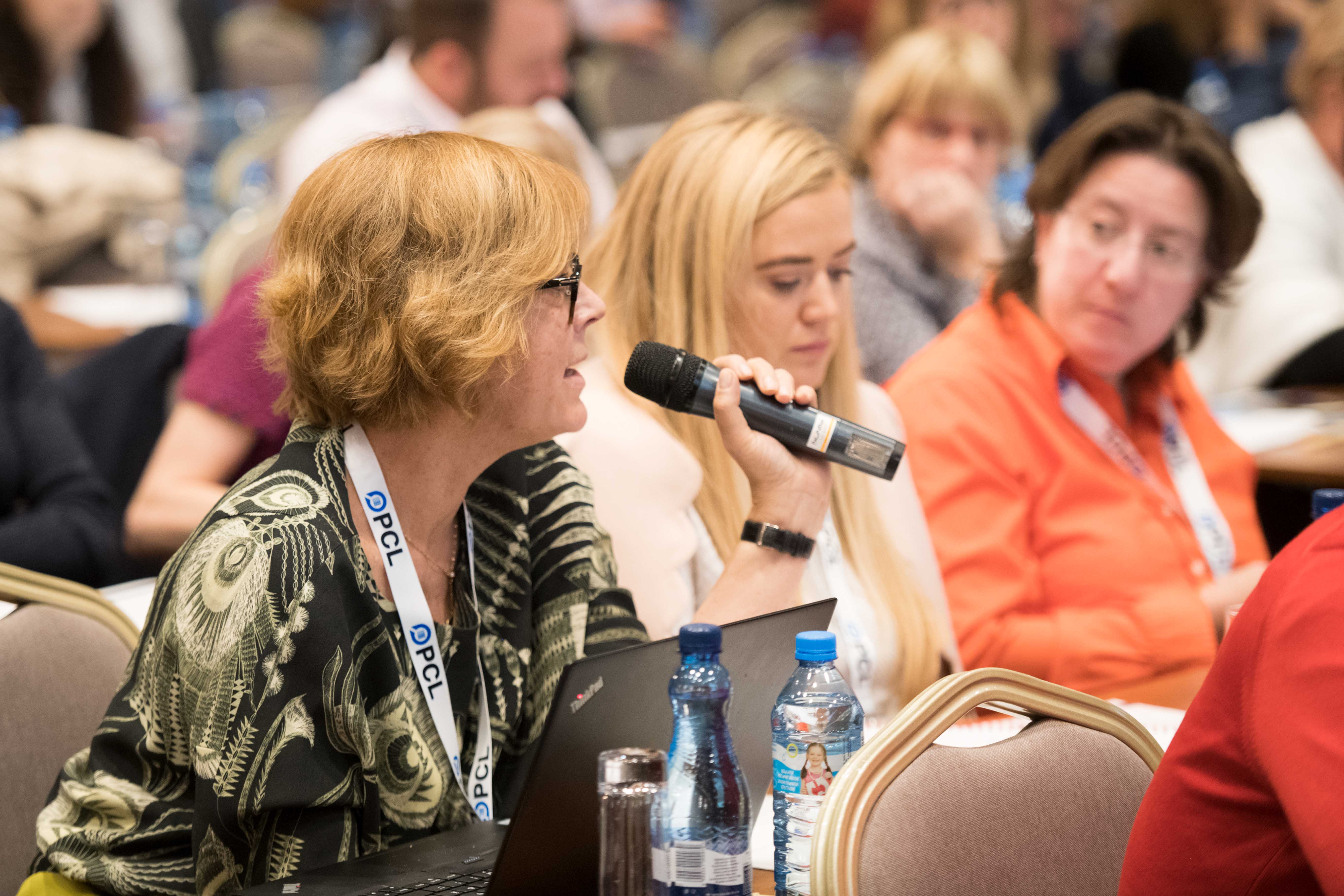
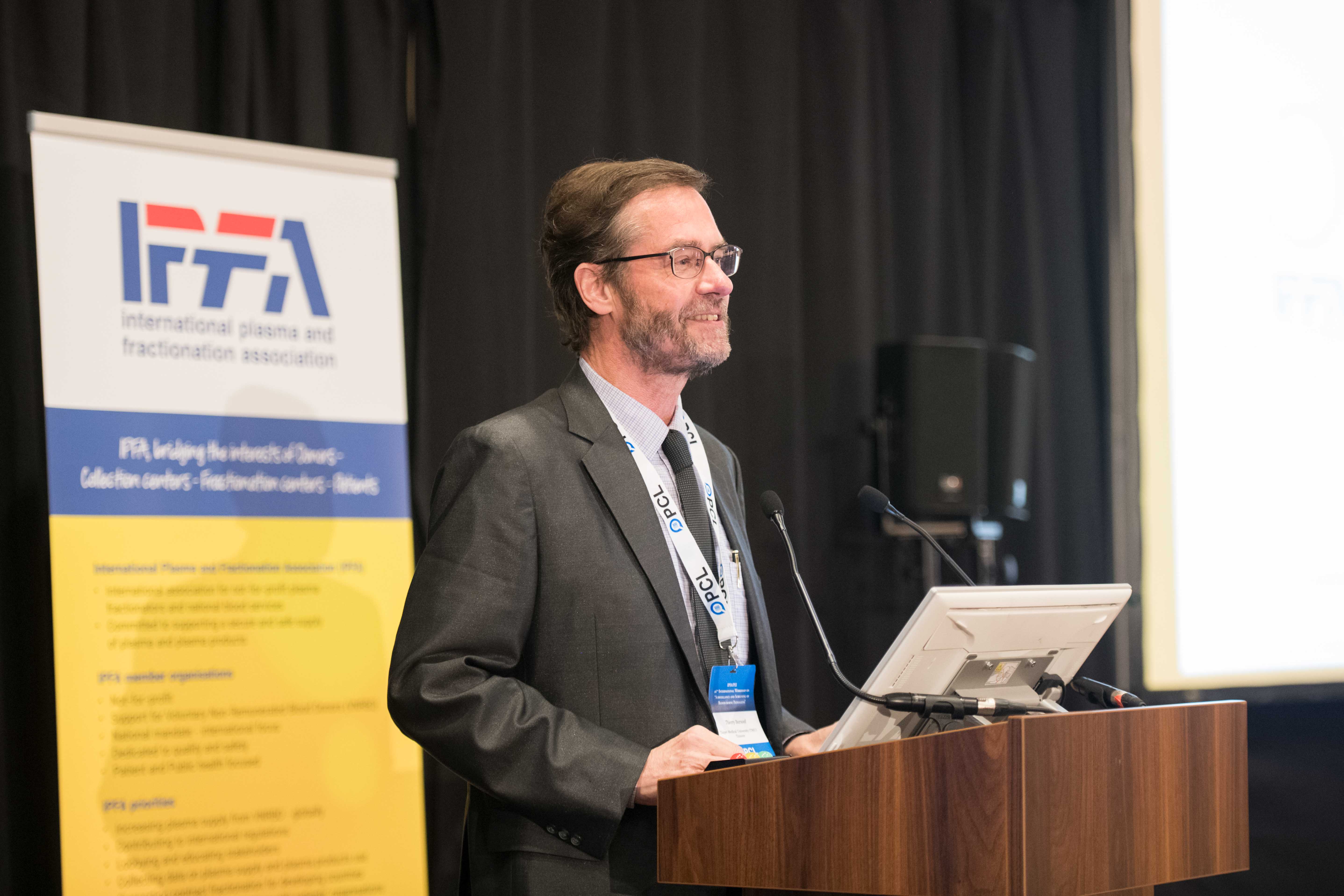
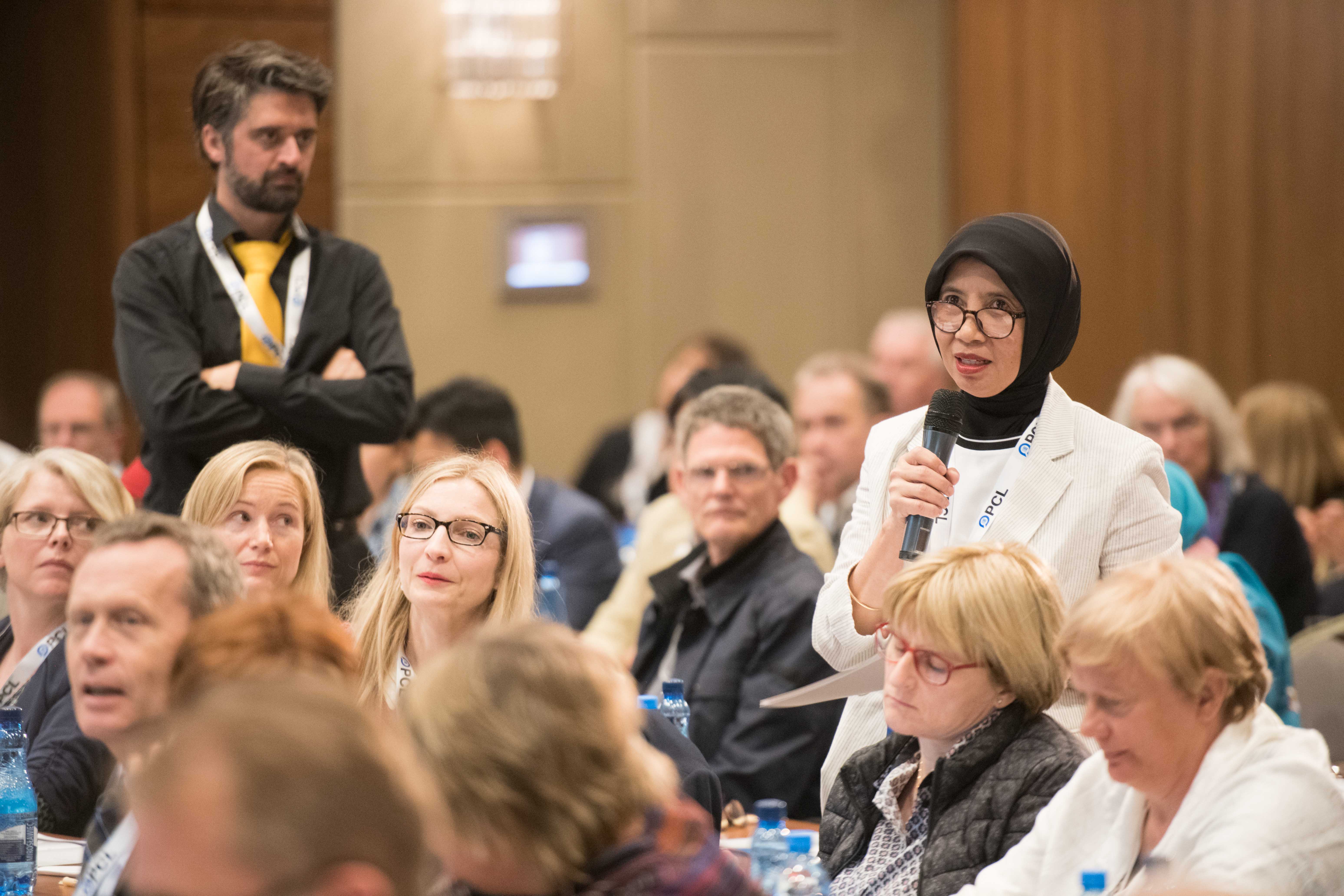
This year’s meeting continued its focus on identifying potential threats to the microbiological safety of transfusion products and identification of scientific developments and strategies to ensure their continued safety and efficacy in all regions of the world. The workshop was attended by approximately 200 delegates from 36 countries. It was fitting therefore that the meeting was opened by Professor Letowska (IHIT) with a national overview of Transfusion Medicine in Poland followed by a global perspective on blood safety and availability by Dr Jay Epstein drawing on his extensive experience from the US FDA and WHO. We thank them both for setting the scene for the workshop. This was followed by two days of truly world class presentations and discussion on topics of immediate relevance and potential future importance to the transfusion community and the patients they serve.

The scientific programme of the workshop naturally varies from year to year reflecting current specific concerns, emerging risks, technological developments and often recurring themes. This year the scientific programme of the first day addressed a range of issues including Pathogenicity vs Infectious Dose, Hepatitis A and its increased incidence in Europe and the US and Non- Enveloped Viruses in both PDMPs and blood components and strategies for minimizing their transmission risks. Sessions were designed to be both educational and informative and feedback suggests that this objective was achieved.

The programme of the second day started with the Manufacturers Session in which colleagues from supporting commercial industries are able to present scientific and technical developments in their companies. The essential partnership between industry and those responsible for safeguarding the safety and supply of blood components and plasma products has and will continue to be an important part of the workshop programme. This year Abbott Diagnostics, Grifols, PCL, Inc, and Roche Diagnostics contributed in this way.

Subsequent sessions considered the risk of Hepatitis B transmission, which although very low, remains the most frequently reported transfusion transmitted infection. Transmission of occult Hepatitis B and the efficacy of testing scenarios were discussed and concluded with the need to adapt testing strategies to reflect its differing regional epidemiology.
A key objective of this and previous workshops is to contribute to the surveillance of emerging risks to blood safety. It was appropriate therefore to include in the programme a session on the constantly evolving and often unpredictable epidemiology of potential arbovirus transmission and the challenges it presents to the transfusion community.

The workshop concluded with a session on Strategies for Blood Safety, addressing three topics which currently or may in the future influence blood safety strategies and policies. These included the potential impact of global migration on blood safety, a global update on approaches and considerations for blood donation by MSM donors which currently remain often divergent between different countries and regions and an overview of the EU TRANSPOSE study on safety and selection of donors.

It is a long established tradition of the IPFA/PEI workshop to host a conference dinner which provides opportunity for networking amongst delegates and a brief period of relaxation. The informal dinner this year was held deep underground at the UNESCO Heritage site of the Wieliczka Salt Mine where we enjoyed a tour of this extraordinary place – with a 700 year history! We are grateful to the staff of this venue for providing such a spectacular experience!

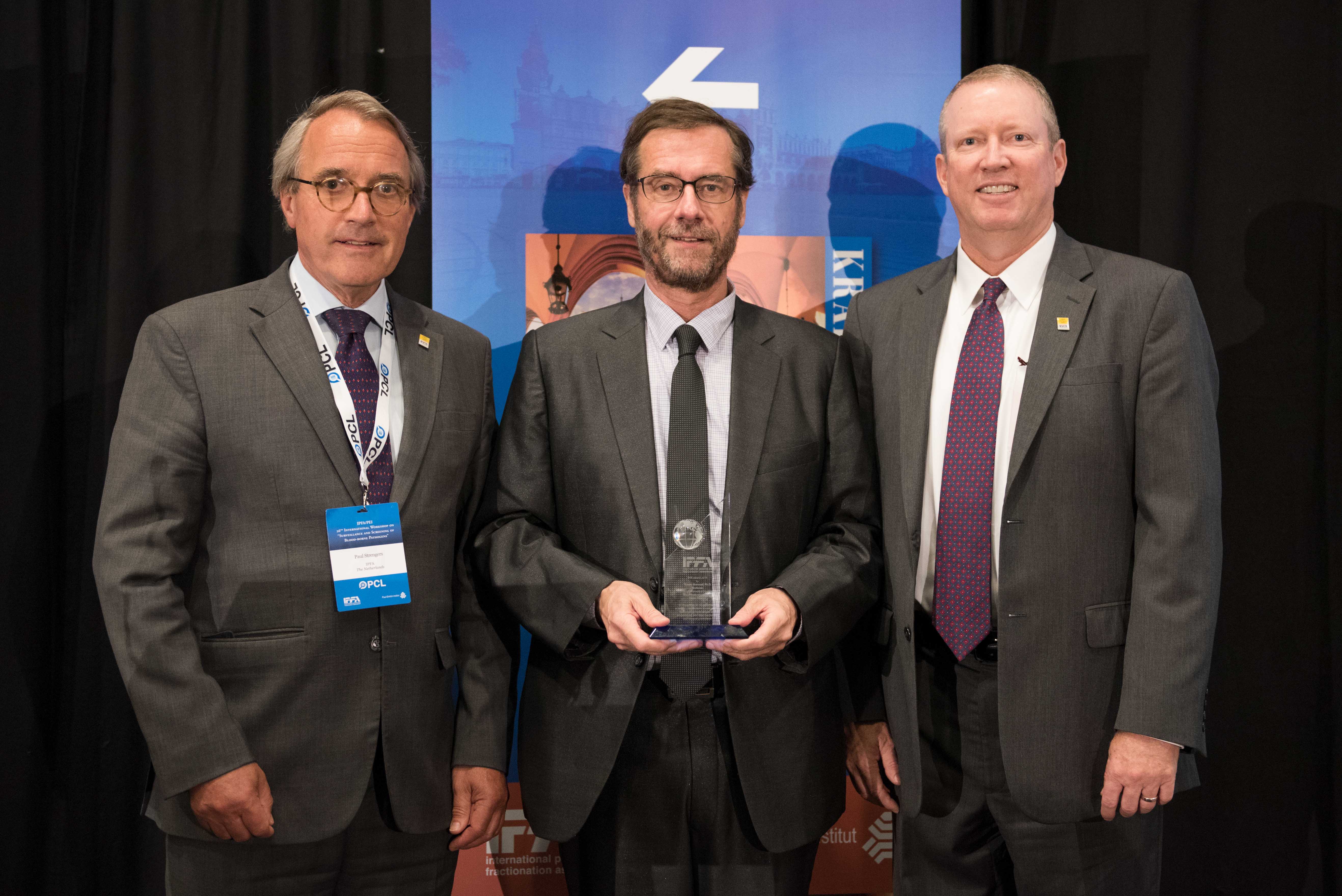
Finally, IPFA has established an annual award to recognize individuals who have made a significant and sustained scientific contribution in the field of blood transfusion and plasma products. We were delighted this year to recognize Professor Thierry Burnouf (Taipei Medical University) for his outstanding contribution to the science, study and development of PDMPs.

Thanks and Appreciation

Once again the organisers are indebted to all who contributed to this Workshop and in particular to speakers and chairpersons who gave much care and thought to ensure that the formal sessions were relevant, informative and provocative – their success in achieving this is clearly evident from both the formal and informal feedback we have received.

We are also indebted to Prof. Letowska and Dr Grabarczyk and their staff for hosting the meeting and contributing so enthusiastically to the organisation and running of the meeting. As always IPFA is also grateful for the support and contributions from our commercial sponsors without which this meeting would not be possible. On behalf of the organisers we thank you all!

IPFA/PEI 2020 Workshop – Porto, Portugal, 13-14 May, 2020

As announced at the Workshop IPFA will be holding the 27th IPFA/PEI International Workshop in 2020 in Porto, Portugal. Planning for this meeting has already begun and we look forward to welcoming you there – and to continue our discussions!

Please follow this link to download the high resolution version of the group photo taken in Krakow on day one of the workshop.

 

A comprehensive range of topics was addressed at the Workshop:

  • OPENING SESSION WITH KEY NOTE GLOBAL PERSPECTIVE ON BLOOD SAFETY
  • BRUSH UP YOUR BLOOD BORNE VIROLOGY – PATHOGENICITY vs INFECTIOUS DOSE
  • THE RETURN OF HEPATITIS A?
  • NON-ENVELOPED VIRUSES
  • MANUFACTURERS SESSION
  • CURRENT AND FUTURE HEPATITIS B BLOOD SAFETY SCENARIOS
  • EVOLVING ARBOVIRUS EPIDEMIOLOGY
  • STRATEGIES FOR BLOOD SAFETY SAFETY

Organised and Supported by:

Picture gallery

Registration

On-line registration is no longer possible. You are still very welcome to register on-site at the DoubleTree by Hilton Krakow Hotel & Convention Center in Krakow on 22 – 23 May.

We look forward to welcoming you in Krakow!

Regular – EURO 945
IPFA members – EURO 645
Regulators – EURO 645
Lower-middle-income Economies IPFA PEI Workshop – EURO 225

The registration fee includes full attendance of the Workshop, lunch on both days, a social dinner and access to the on-line proceedings after the event

Accomodation

DoubleTree by Hilton Hotel, Krakow, Poland

  • Single occupancy EURO 162,00 incl. VAT
  • Double occupancy EURO 183,00 incl. VAT

The room rate includes breakfast and free internet in the room.

Please note that only a limited number of rooms for the above rates are still available. For reservations please contact the reservations department at krkcc_res@hilton.com.

Corporate Partners

Sponsorship

Our event offers excellent networking opportunities with recognised international experts. We expect about 190 delegates from the international scientific community, regulatory agencies, test kit manufacturers, blood services and plasma fractionators. The structure of the meeting will allow time for discussion and interaction with all interested participants. In addition the size and informal atmosphere of the meeting facilitates dialogue with guest speakers and other delegates both in the meeting forum and during breaks and social events.

There are a number of sponsorship categories, to profile and represent your company. Should you wish to receive the Sponsorship brochure or to personally discuss opportunities or possibilities, please do not hesitate to contact us.

This Workshop is kindly supported by:

Logos of corporate sponsors will be published on this meeting webpage and in the applicable IPFA Newsletters and will be linked to the organisation’s website.


Programme/Proceedings

The IPFA/PEI 2019 Workshop Proceedings are accessible with a password to all participants who have attended the Workshop in Krakow, Poland. Proceedings will be publicly available as from 20 May 2020. The IPFA/PEI 2019 Workshop Proceedings have been made possible by

Grifols sponsor events IPFA, the International Plasma and Fractionation Association

DAY ONE - Wednesday 22 May 2019

Session 1
OPENING SESSION
The keynote presentation this year will provide a global perspective on blood safety. This presentation will be given by Dr Jay Epstein (US FDA) who is well known to many of our regular attendees and well qualified and experienced to outline international progress in transfusion safety and provide an insight into prospects and challenges for the international transfusion community in the future.
Dr P. Strengers (the Netherlands)
Session 2
BRUSH UP YOUR BLOOD-BORNE VIROLOGY – PATHOGENICITY vs INFECTIOUS DOSE
This session is designed to be both educational and informative in an examination of the complex relationships between viral load, minimum infectious dose and pathogenicity of blood borne viruses when designing safety strategies for blood components and PDMPs. This will include assessment of the efficacy of current processing strategies intended to enhance the margin of safety of products.
Such considerations are and will continue to be important in future evolutions of safety strategies.
Dr M. Nuebling (Germany)
2019 IPFA Award
Session 3
THE RETURN OF HEPATITIS A?
One of the purposes of this annual Workshop is to identify emerging or re- emerging infectious diseases which may have an impact on transfusion safety. Hepatitis A has rarely featured in the Workshop in the past but evidence of decreasing HAV seroprevalence in general in industrialised countries and some reports of increased HAV incidence (eg France) has led to the inclusion of this topic in this year’s programme. Current epidemiological trends will be presented from a French, wider European and US perspective and consider the implications, if any, for donor selection, screening and transfusion safety.
Dr R. Dodd (USA)
Session 4
NON-ENVELOPED VIRUSES
Despite the effectiveness of current screening, removal and inactivation strategies for potential non-enveloped viruses in PDMPs and blood components continued surveillance for these transmissible agents remains an important topic. This session will provide an overview of the efficacy of current strategies for minimizing the transmission risk in both blood components and PDMPs.
Ms M. Vermeulen (South Africa)

DAY TWO - Thursday 23 May 2019

Session 5
MANUFACTURERS SESSION
The annual IPFA/PEI Workshop provides an opportunity for commercial organisations, which provide support and technologies for the blood and plasma industry, to present scientific and technical developments in their companies. This partnership between companies supplying state of the art processing and testing technologies and those responsible for safeguarding the supply of blood and plasma products has and will continue to be an important part of the workshop programme.
Dr F. Rossi (France)
  • Abbott Diagnostics | 25 years of Viral Surveillance - Dr A. Carterson (USA) (20 mins) - presentation not available
  • Grifols | Addressing an Emerging Blood Safety Threat with Expanded Detection and High Efficiency - Dr J. Linnen (USA) (20 mins) - presentation not available
  • PCL, Inc. | Effective infectious disease management for transfusion by flexible multiplex screening technology - Prof. Dr S. Kim (Republic of Korea) (20 mins) - presentation not available
  • Roche Diagnostics | The Future of Donor Screening with Pathogen Reduction - Dr S. Galel (USA) (20 mins) - presentation not available
Session 6
CURRENT AND FUTURE HEPATITIS B BLOOD SAFETY SCENARIOS
Although the risk of Hepatitis B transmission by transfusion is very low – it has not been eliminated. HBV transmission remains the most frequent transfusion transmitted infection. It is appropriate therefore that this topic continues to feature in the workshop programme. This session will review the state of knowledge of occult HB transmission by transfusion, the efficacy of current testing scenarios in reducing the risk of HBV transmission and examine the arguments for adapting HBV testing strategies to reflect its differing regional epidemiology.
Prof. Dr H. Zaaijer (the Netherlands)
Session 7
EVOLVING ARBOVIRUS EPIDEMIOLOGY
A key objective of this and previous workshops is to contribute to the surveillance of emerging risks to blood safety. The constantly evolving and often-unpredictable epidemiology of potential arbovirus transmission continues to present challenges to the blood transfusion community.
Presenters in this session will assess the drivers of arbovirus epidemiology, including the potential effect of climate change, and their impact on transfusion safety in hitherto unaffected regions. The reported increased incidence of West Nile Virus, Usutu and related viruses in Europe and the transfusion transmission of Japanese Encephalitis Virus and other vector borne flaviviruses will be addressed.
Prof. P. Tiberghien (France)
Session 8
STRATEGIES FOR BLOOD SAFETY
The Workshop will conclude by discussing three topics which currently or may in the future influence blood safety strategies and policies. The first of these concerns the increased level of global migration and its potential impact on blood safety - and the requirement to modify or adapt safety strategies.
Secondly, despite extensive risk assessment of MSM donation, national approaches for MSM donor selection remain frequently divergent. A ‘global update’ will be presented together with an assessment of considerations guiding current and future policies.
Finally an ongoing EU study on TRANSfusion and transplantation: PrOtection and SElection of donors (TRANSPOSE) will be outlined including the aims and objectives of the project and its potential contribution to evidence based guidelines for donor selection and protection.
Dr Y. Soedarmono (Switzerland)
Session 9
Meeting Closure

Contact

International Plasma and Fractionation Association (IPFA)

Ms Mariska Mooijekind
Ms Linda Heil

T. +31 (0)20 – 512 3561
info@ipfa.nl

General Conditions and Disclaimer:
IPFA/PEI Workshop 2019