IPFA/EBA Workshop on Plasma Collection

Workshop Presentations

As announced at the meeting the proceedings are publicly available on the IPFA website. Please see below.

The content of the workshop will include the following topics:

  • Responding to increased PDMP demand
  • Donor recruitment
  • The donation process
  • Donor health
  • Quality considerations for plasma collection
  • Facilities and logistics

Organised and Supported by:

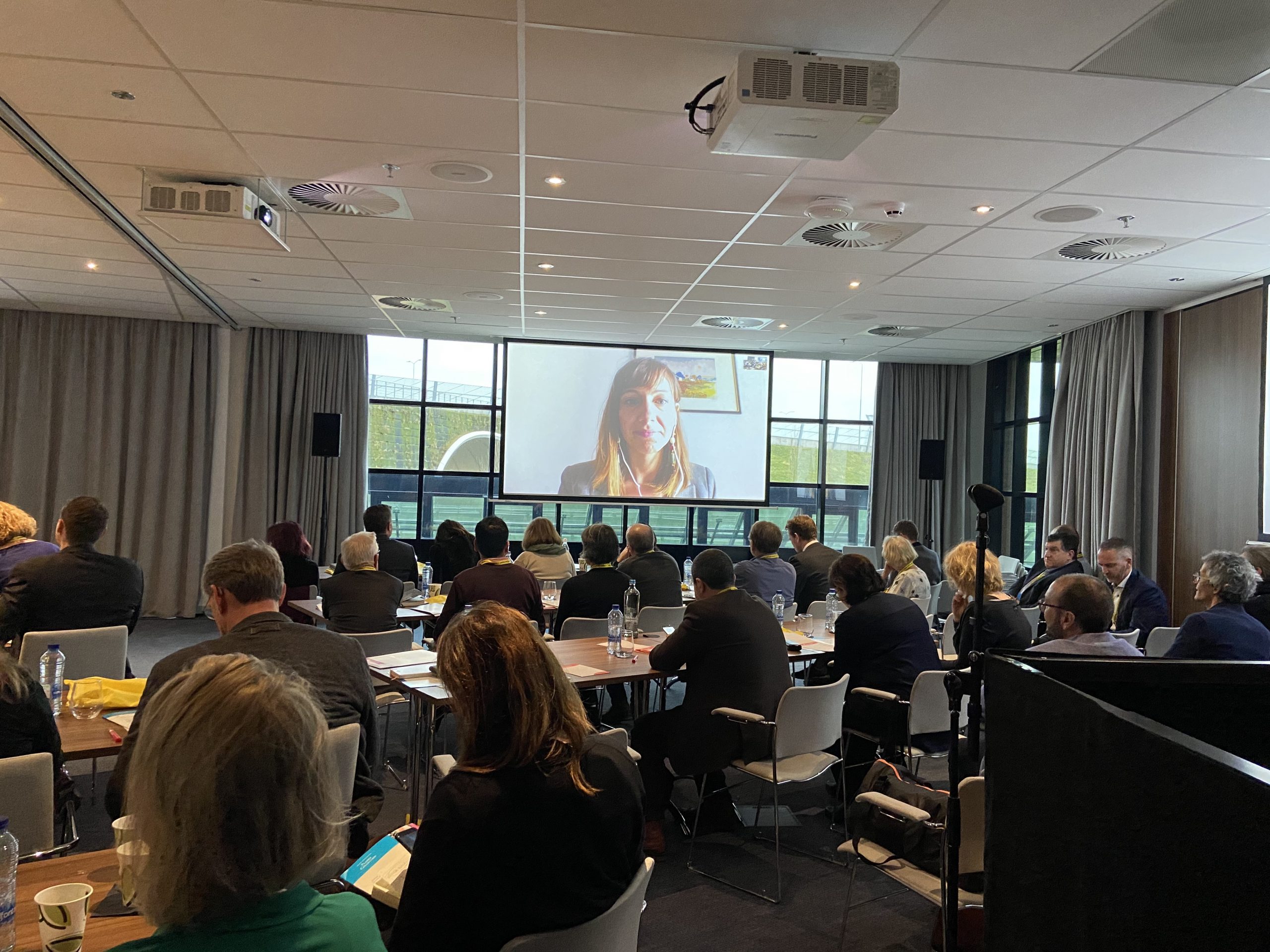
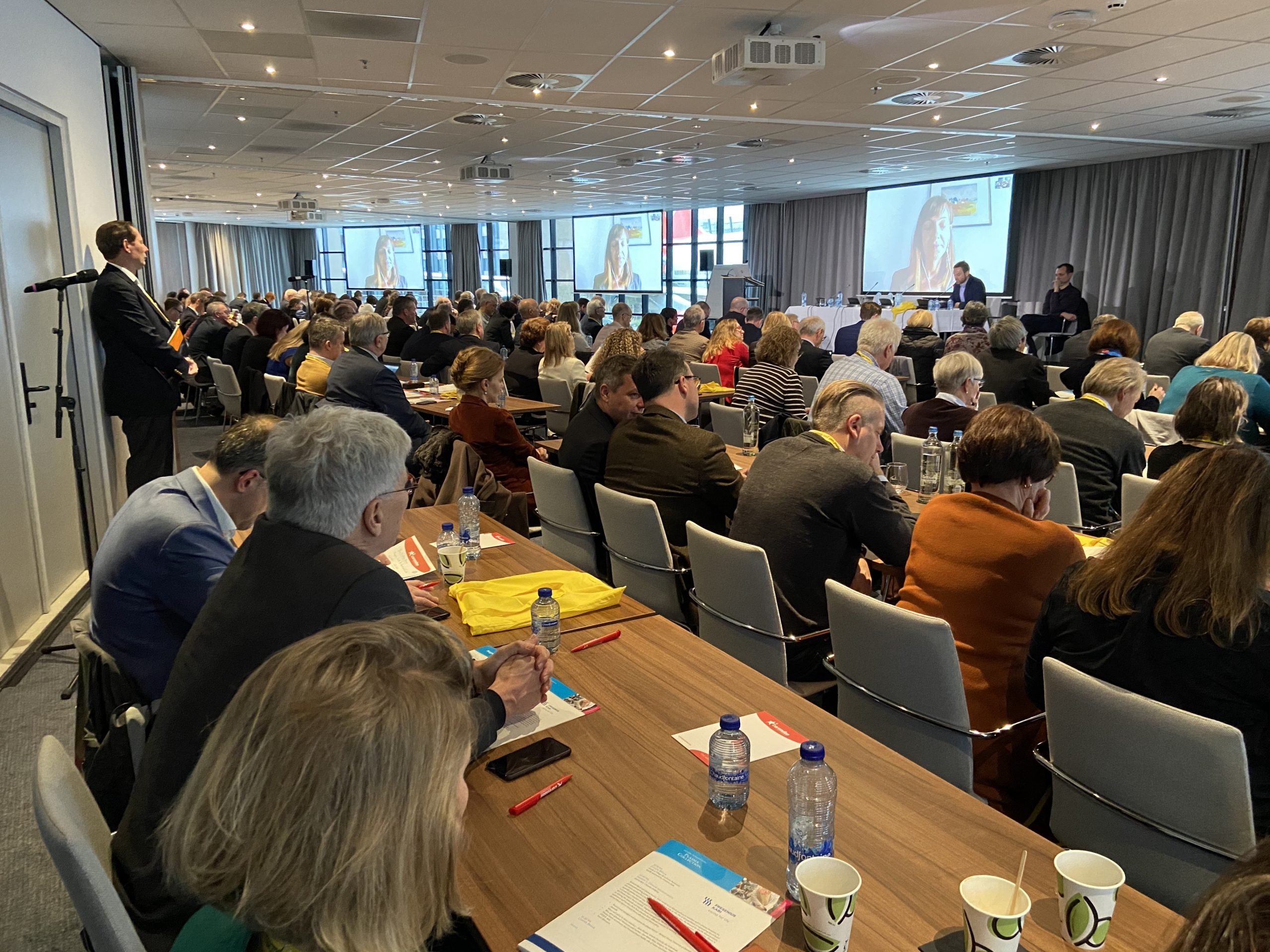
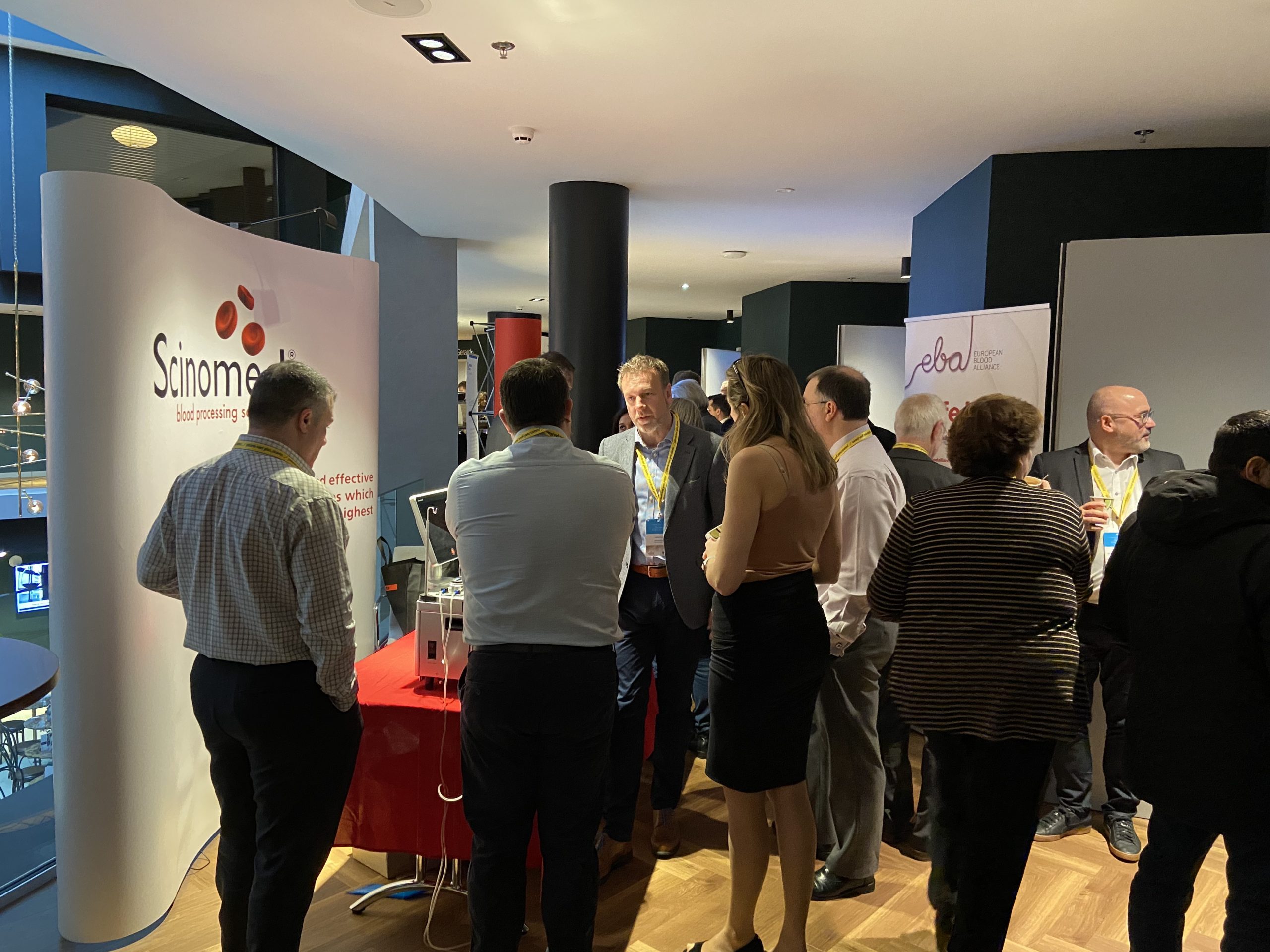
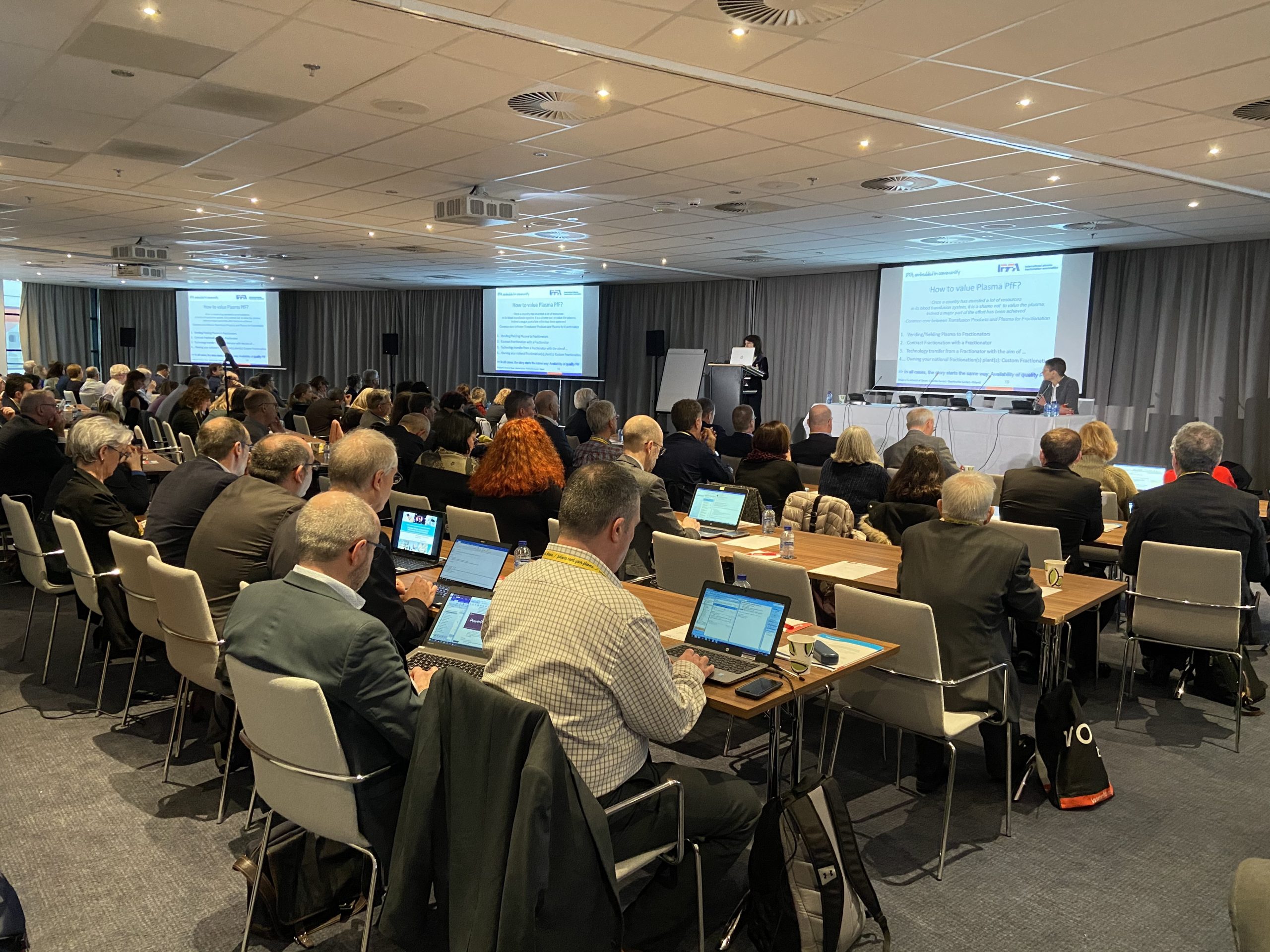
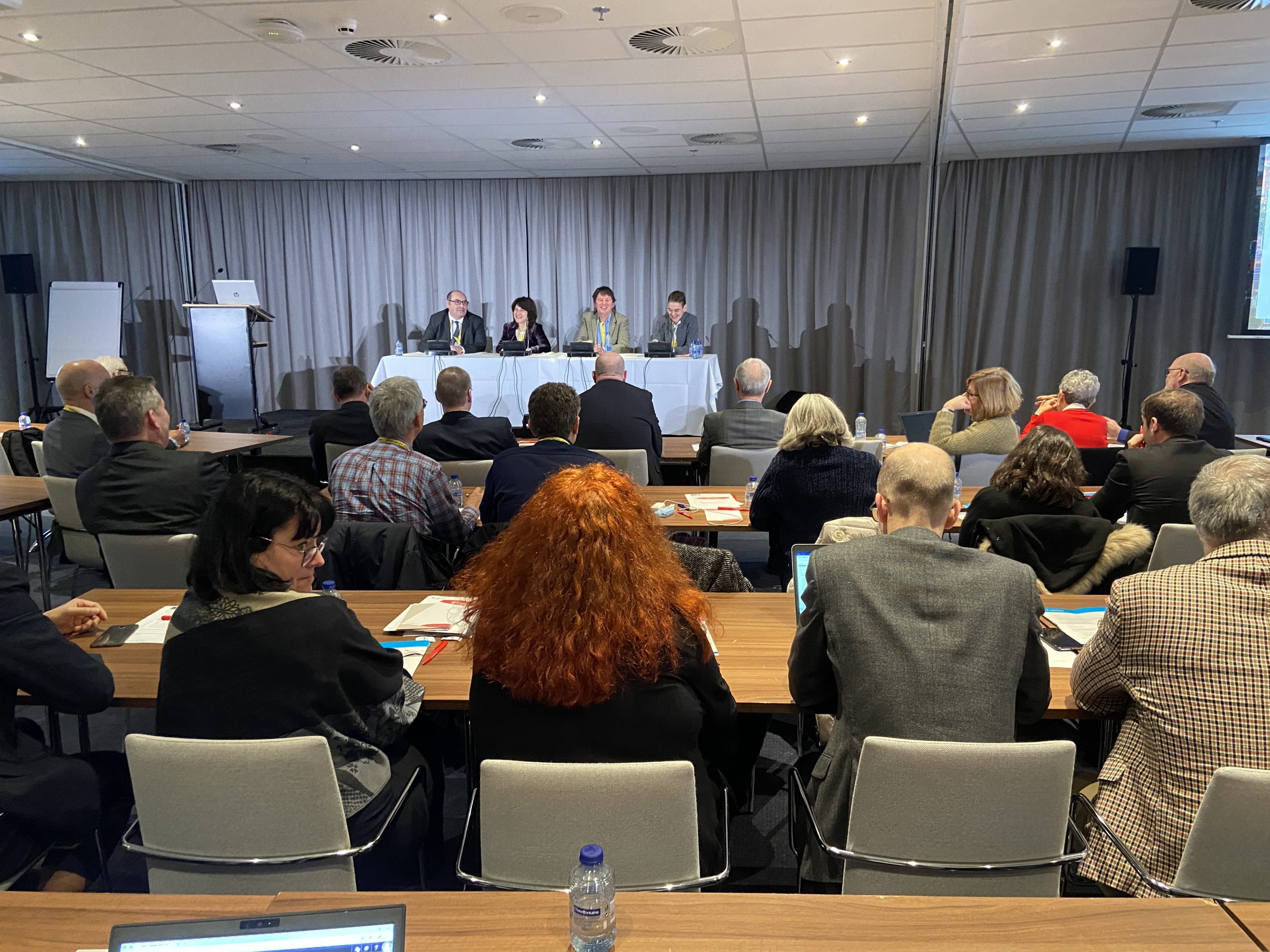
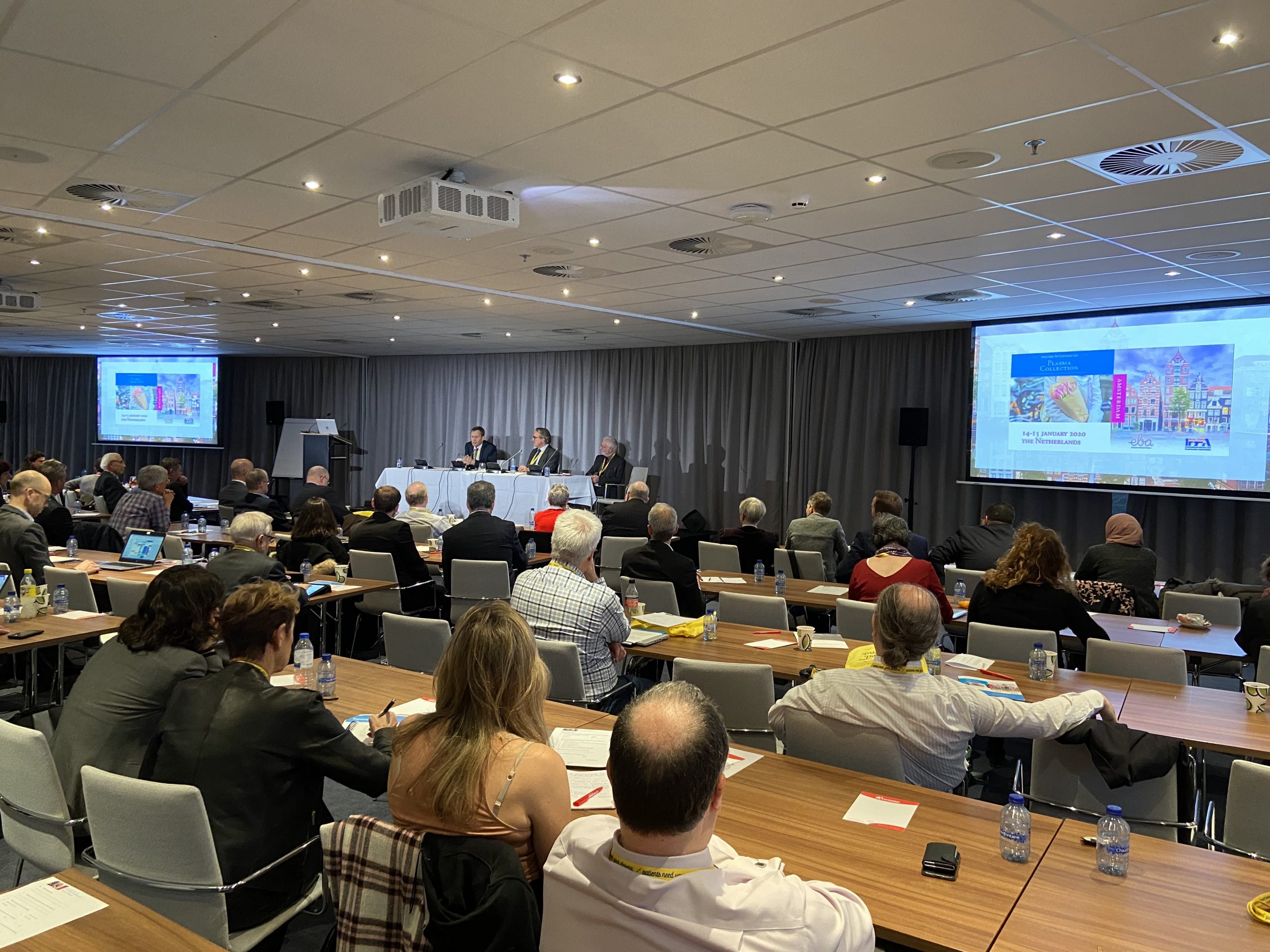
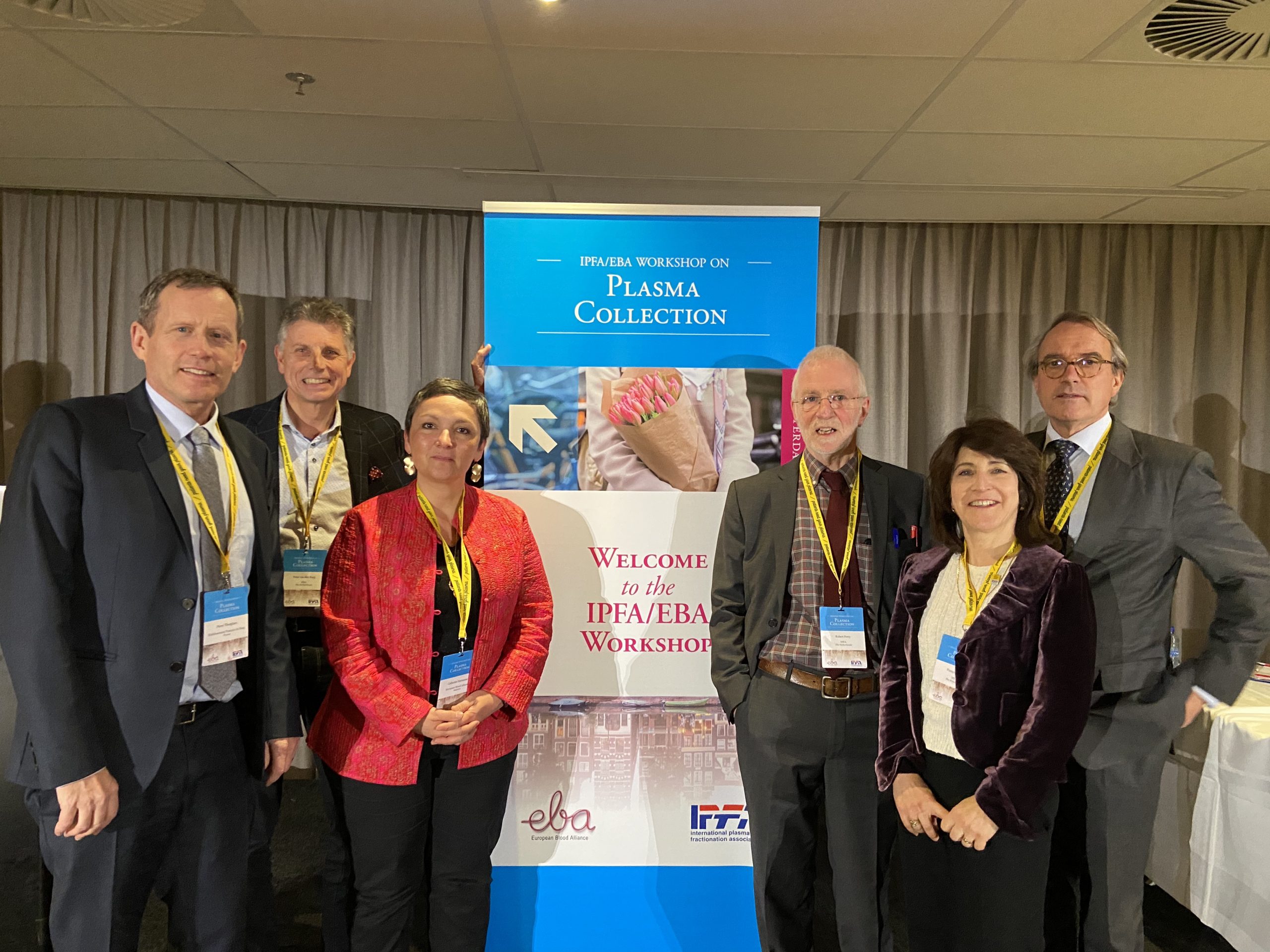
Picture gallery

Registration

On-line registration is no longer possible. For registration you are most welcome to register on-site at the Corendon Amsterdam Village Hotel on 14 and 15 January.

We look forward to welcoming you in Amsterdam!

The registration fee includes full attendance of the Workshop, lunch on both days, a social dinner and access to the on-line proceedings after the event.

Accommodation

Corendon Village Hotel Amsterdam

The cut-off date for room reservations at our group booking rate at the Corendon Vilage Amsterdam Hotel has passed. For reservations, availability and the best available rate please email the hotel: reservations.village@corendonhotels.com. As a reference please mention IPFA/EBA Workshop.

Address accommodation

Please be aware there are multiple Corendon Hotels in Amsterdam and that our Workshop is taking place at the Corendon Village Hotel Amsterdam.

Corendon Village Hotel Amsterdam
Schipholweg 275
1171 PK  Badhoevedorp
The Netherlands

Corporate Partners

As a corporate sponsor you can be assured that our event offers excellent networking opportunities with recognised international experts. We expect about 200 delegates from the international scientific community, blood transfusion services, regulatory agencies, plasma fractionators and manufacturers and distributors of plasmapheresis related devices. The structure of the meeting will allow time for discussion and interaction with all interested participants, including your own experts, should they wish to attend. In addition the size and informal atmosphere of the meeting facilitates dialogue with guest speakers and other delegates both in the meeting forum and during breaks and social events.

There are a number of sponsorship categories, to profile and represent your company. We hope that you will consider these options and return the application form to indicate your intention. Should you have questions regarding these arrangements, or any other suggestions, please do not hesitate to contact us.

Programme / Proceedings

Proceedings IPFA/EBA Workshop, update as per 25 January 2020.

Objective of the meeting

To promote increased plasma collection from voluntary non remunerated donors and to identify the barriers and potential solutions to achieving this objective.

Day ONE - Tuesday 14 January 2020

Session 1 - 09.00 hrs
Welcome
Paul Strengers
Session 2 - 10.45 hrs
Responding to increased demand for Plasma Derived Medicinal Products
The global demand for plasma for fractionation is expected to increase for the foreseeable future driven primarily by the increasing clinical use of immunoglobulin products. In this session colleagues from Belgium, Australia and Canada will describe how their strategies and policies have evolved to ensure a safe and secure national supply of plasma (both recovered and source) and PDMPs to meet patient needs – including monitoring and management of clinical use.
Cees Smit
Session 3 - 13.45 hrs
Donor recruitment
Without blood and plasma donors, there would be no blood products to transfuse and no plasma donations for pharmaceutical drug production. However, often as little as 2%–3% of the population is registered as blood donor
and donor numbers have been decreasing over the years. At the same time, the demand for specific blood products, especially plasma-derived ones, is increasing in times of demographic change, immigration and longevity. Hence, it
is crucial that a country’s donor pool is sufficient, healthy and diverse enough to ensure access to every blood type and blood product that is needed. Targeted recruitment and retention of donors with specific characteristics are key
in meeting the demands and improve donor management. The aim of this session is to present evidence on donor motivation and barriers, show best practices from different countries in recruiting and retaining plasma donors and
discuss ethical aspects around donor selection and blood safety.
Christian Erikstrup
Session 4 - 16.00 hrs
Donation process
The efficiency of the donation process to collect plasma, both source and recovered, is dependent on various factors. These factors are e.g. related to management elements, donor characteristics and technical aspects. During this session
you will learn how to optimise the management of the collection process, personnel and the efficiency of the donation and processing of blood and plasma.
Anne-Marie van Walraven
Evening - Workshop Dinner in Amsterdam - 18.30 hrs

Day TWO - Wednesday 15 January 2020

Session 5 - 09.30 hrs
Manufacturers’ Session
This session will provide opportunity for industries providing equipment, materials and support to blood centres and establishments to present on technical and scientific developments in their companies in support of the goal of increased plasma supply.
Françoise Rossi
Session 6 - 10.30 hrs
Donor health
Plasma donors often donate frequently. With the scale-up of plasma donation it is of paramount importance to assure that the procedure is safe. In this session we will present the knowledge on short and long term effects of plasmapheresis. We will also discuss what knowledge is missing and what studies we need to perform.
Rut Norda
Session 7 - 13.30 hrs
Quality considerations for plasma for fractionation
The collection and preparation of blood components and plasma for fractionation are highly regulated activities requiring comprehensive quality management systems to meet the standards prescribed by regulatory authorities
and the plasma fractionation industry. This session will consider specific quality requirements for plasma intended for fractionation from the perspectives of both regulators and manufacturers together with a discussion of the wider
benefits of plasma quality programmes for blood establishments.
Johanna Castrén
Session 8 - 15.00 hrs
Facilities and logistics – international experiences
This session will share the experiences from European, Australian and Canadian Blood establishments of their current development and future plans for the efficient and cost effective large scale collection of recovered and source plasma
from VNRDs. The aim of the session will be to identify key considerations for the development of infrastructure and logistical arrangements to optimize capacity, efficiency, cost effectiveness and donor experience.
Frederic Bigey
  • Italy - Giancarlo Liumbruno, National Institute of Health, Italian National Blood Center, Italy
  • Germany - Franz Weinauer, Blood Transfusion Service BSD/BRK, Germany
  • Australia - Sue Wilkes, Australian Red Cross Lifeblood, Australia
  • Canada - Marc Germain, Héma-Québec, Canada
Session 9 - 16.45 hrs
Closure

Contact

International Plasma and Fractionation Association (IPFA)

Ms Mariska Mooijekind
Ms Linda Heil

T. +31 (0)20 – 512 3561
info@ipfa.nl

General Conditions and Disclaimer:
IPFA EBA Workshop 2020